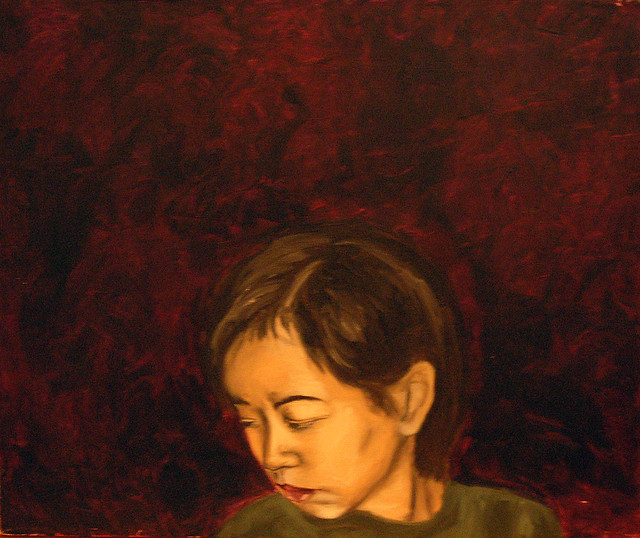
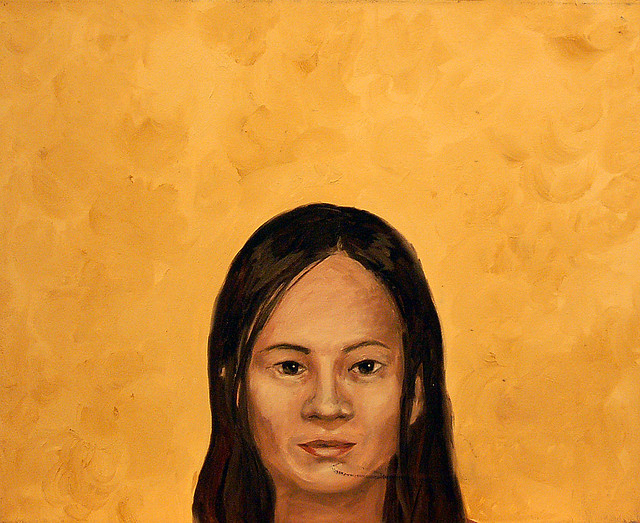
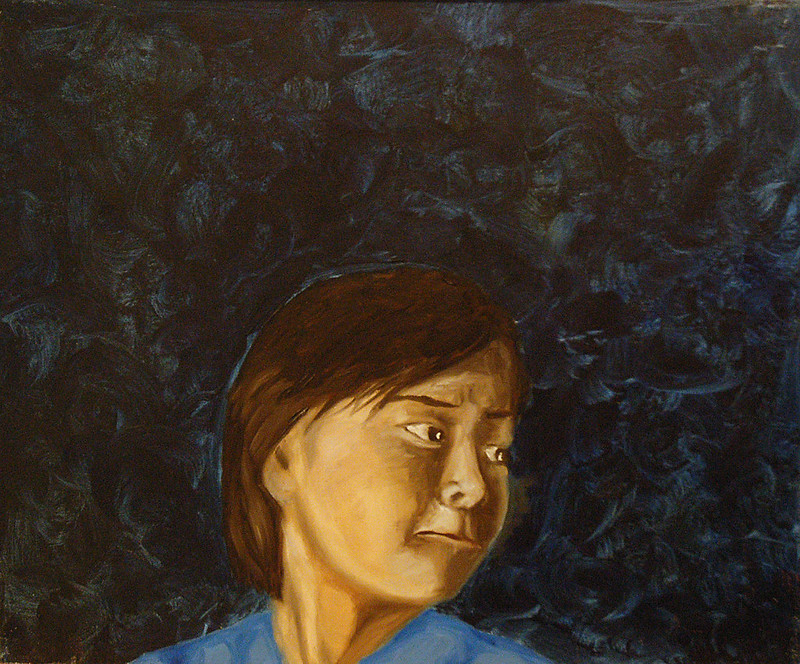
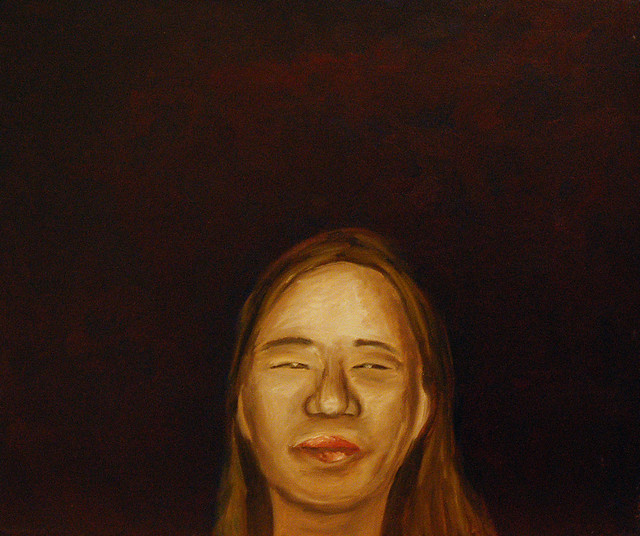
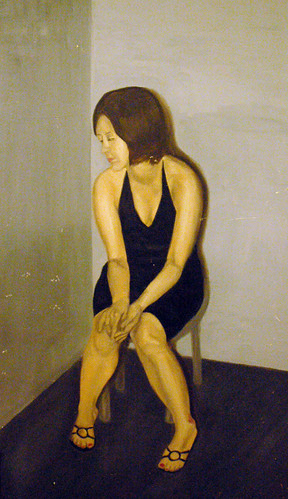
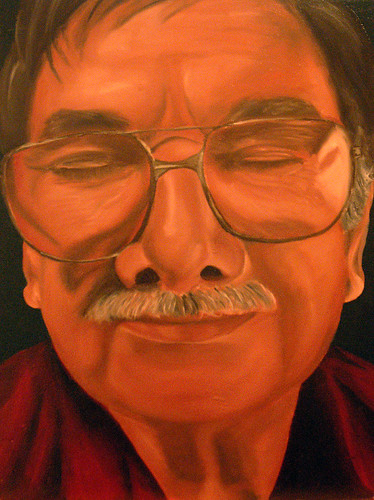
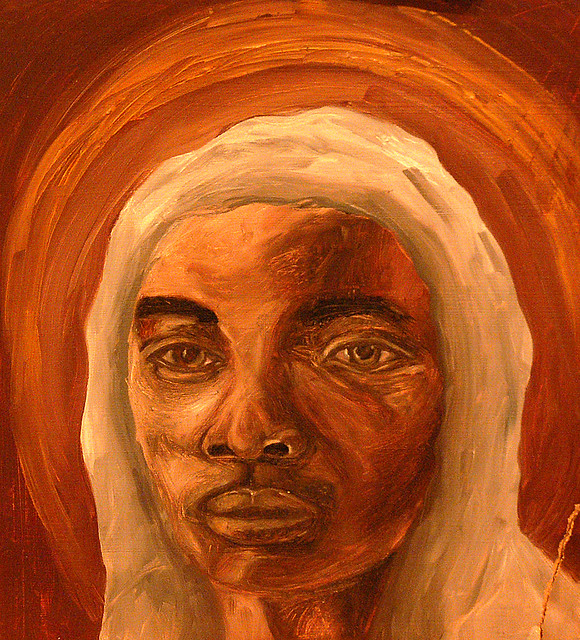
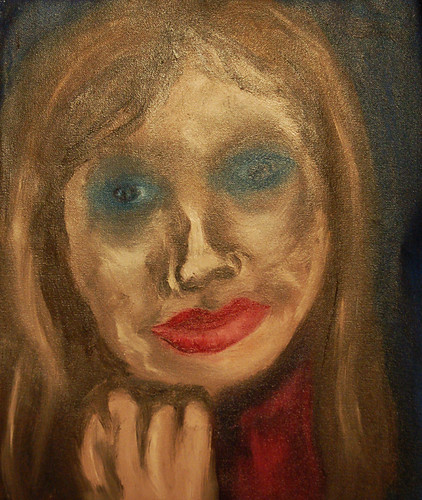
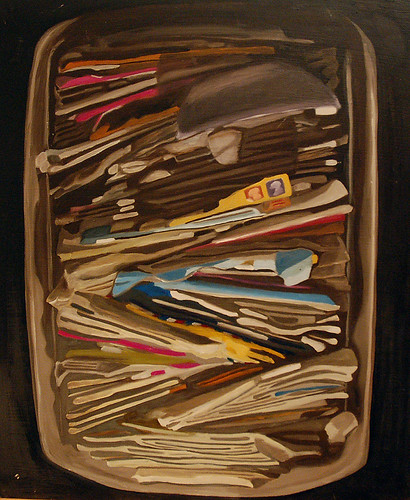
In addition to being a feminist political scientist, I am also an artist.
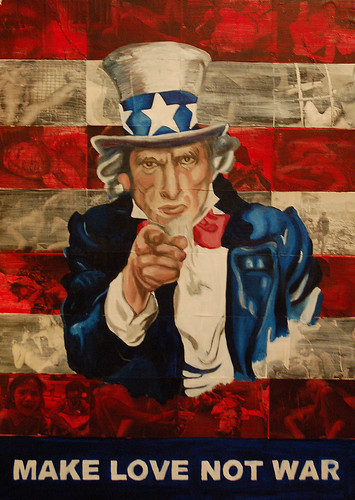
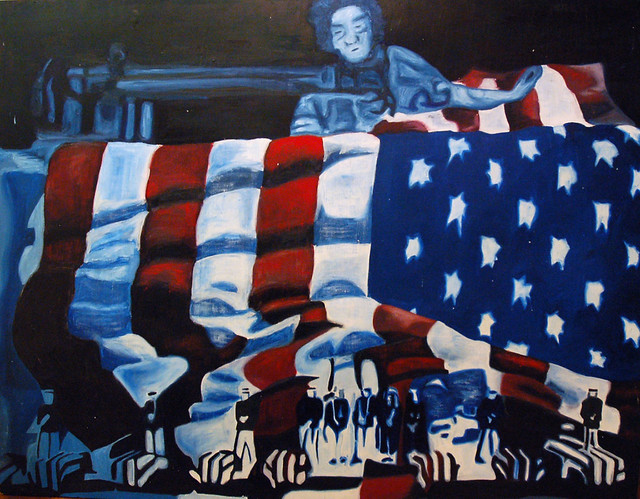
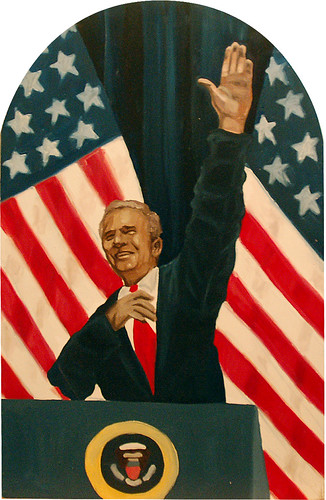
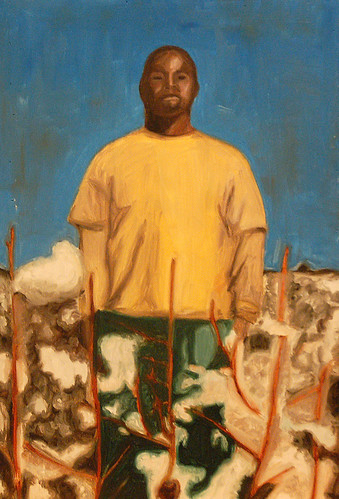
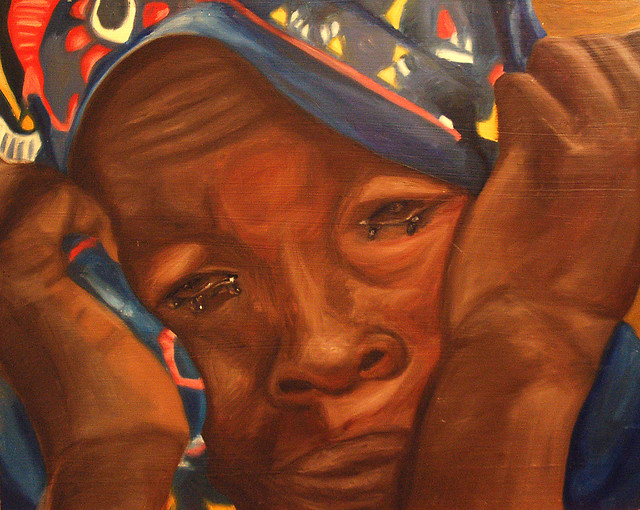
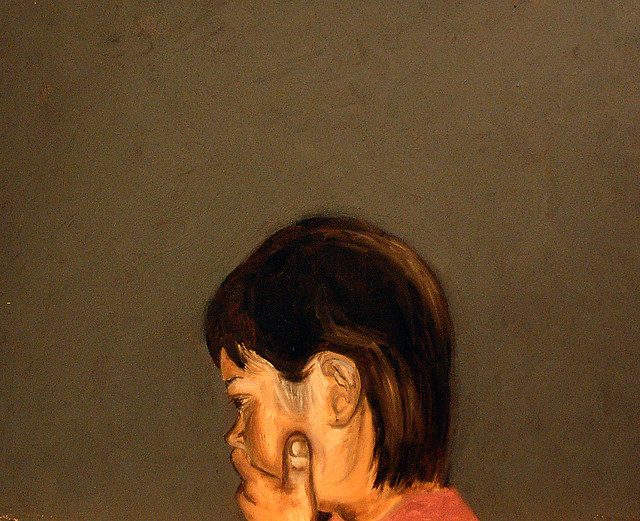
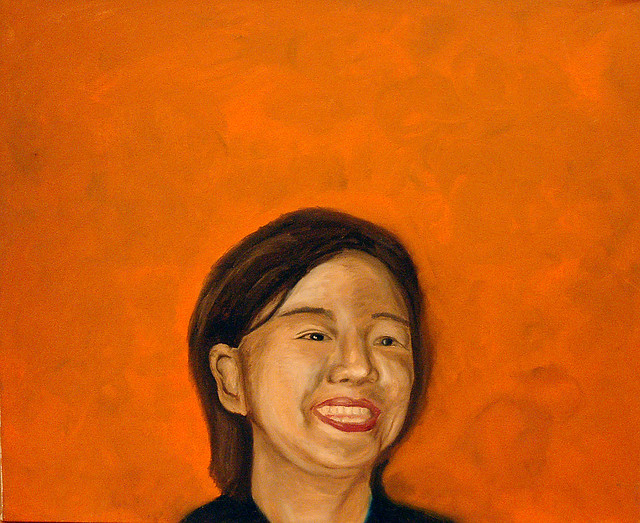
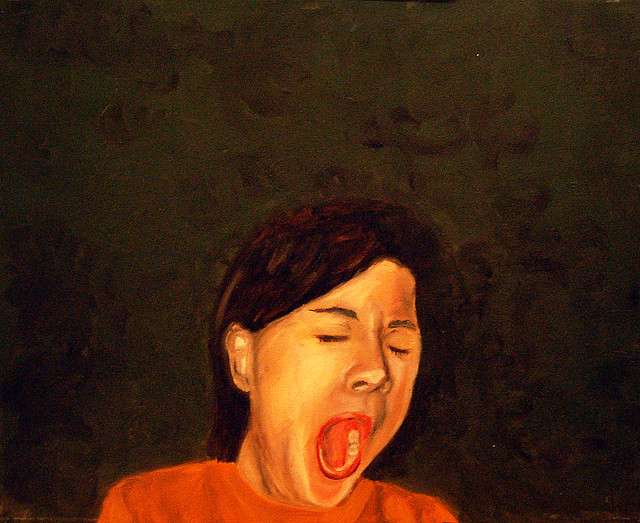
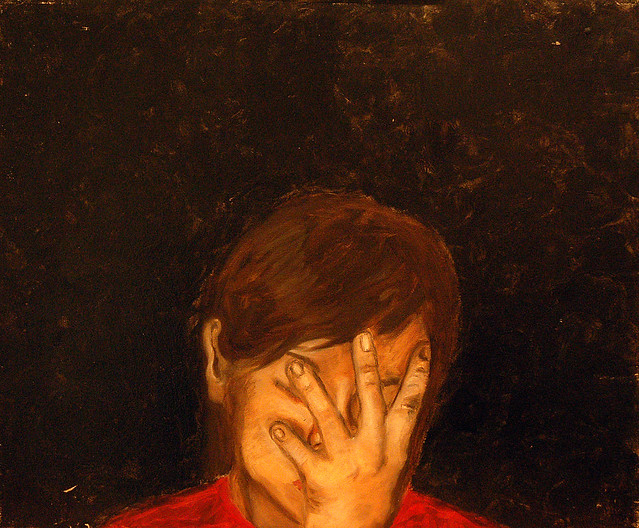
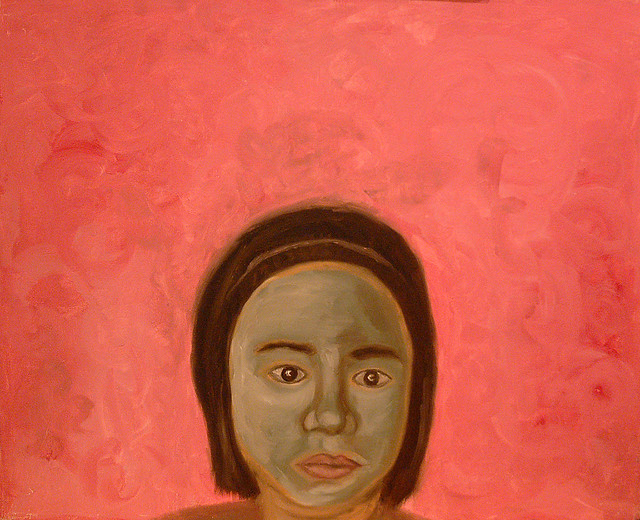
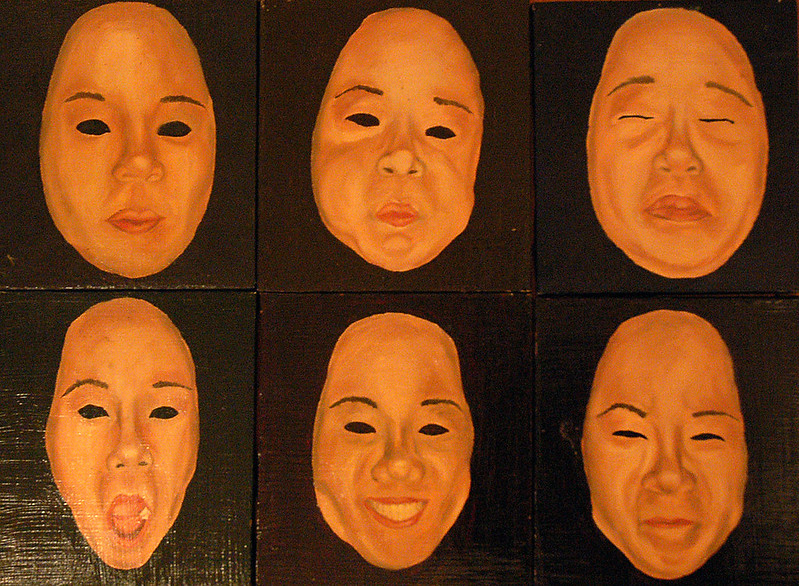
My art explores two interconnected landscapes that shape how individuals understand themselves and the world. One examines the subtle yet pervasive influence of global politics and conflicts on personal lives. Rather than depicting events directly, I trace how systems of power, violence, and oppression leave lasting imprints on memory, emotion, and identity. Through fragmented narratives and layered imagery, I explore the tension between collective history and private experience, showing how large-scale forces quietly enter everyday life.
The second landscape focuses on migration and outsiderhood, exploring lives shaped by movements across borders, cultures, languages, and social spaces. Identity is not fixed but continuously negotiated, formed through longing, separation, and fragile moments of connection. Figures in my paintings often exist in-between past and present, home and elsewhere. Feelings of belonging are provisional, accompanied by isolation, distance, and quiet resilience. This work reflects the emotional texture of movement and the ongoing search for recognition, home, and self-understanding/acceptance.
Together, these landscapes consider how personal identity emerges at the intersection of intimate experience and contextual forces. My work examines how citizenship, belonging, and memory are politicized and thus shape our own perceptions of our own lives and our relationships with others — through what is carried across borders, inherited from history, and felt in moments of solitude and reflection.
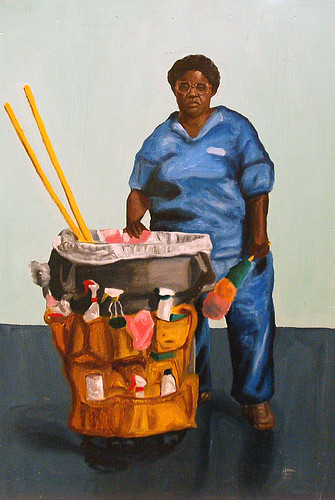
Born in Taiwan, I grew up in the United States and started properly adulting in the U.K. (after having moved 16 times in 20 years). My art is informed by my own experiences navigating intersecting identities within various spaces. My academic identity allows me to use art as a language to depict (my own) realities, which I have long felt but only later fully understood: that experiences are never singular, and that gender, race, and power are inseparable in how one moves through the world. Like many women of color, I have experienced first hand how systems claiming neutrality or inclusion often reproduce oppression and exclusion —through expectations, silences, and uneven burdens of care and labor. These experiences shape my attention to invisibility, negotiation, and restraint, as well as to moments when speaking becomes both necessary and risky. Storytelling, through my work, resists erasure, holding space for complexity and making visible the emotional weight of navigating structures that further marginalize the already marginalized.
Selected Artworks